Inspiring Case Studies
Real journeys of resilience, self-reliance, and financial independence from the hamlets of Simdega, Jharkhand.
Story of Learning, Growing and Earning
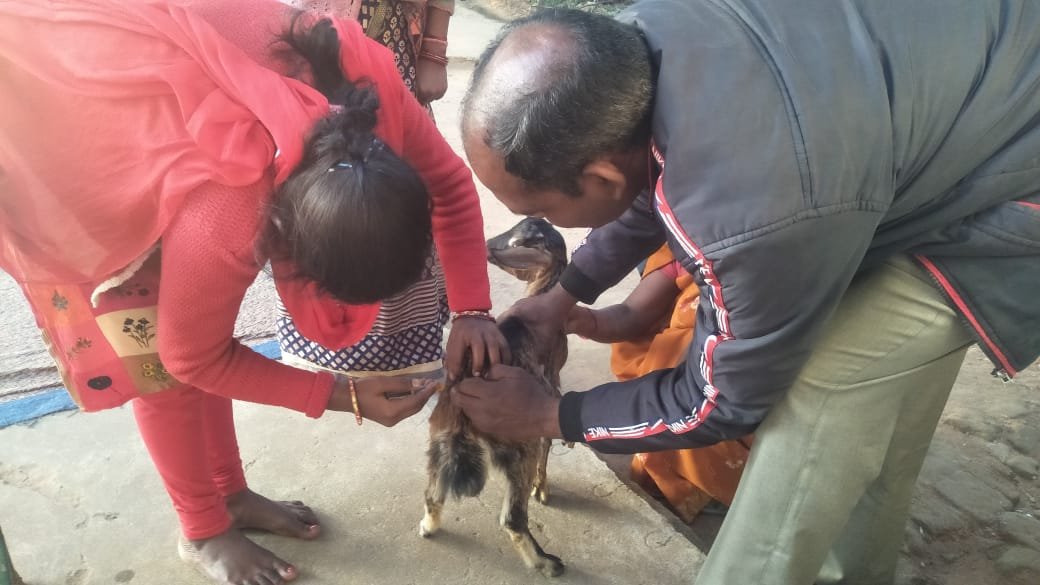
Poonam Kullu is a member of the local women's self-help group living in village Kasdega, has proved herself as a progressive goat rearer today.
Poonam got acquainted with the better techniques of goat rearing with practical training of LEDP program, educational visit to Birsa Agricultural University Ranchi and Ramakrishna Mission Ranchi, Ranchi.
Poonam first made a house for the goat. Together with the family members themselves to reduce the expenditure made bricks and built a small house.
Poonam started with 5 goats in this house. From four goats 8 children came after about 6 months, again 8 children, altogether 21 goats in this small house.
Gradually the kids started growing up and more time and money was spent in taking care of the goats. Looking at the situation, Poonam sold 5 of the older children at the rate of Rs.6000/- per child. 30000/- in total, which proved to be a boon for Poonam for capital and family expenses. After one year she sold again 4 goat in Rs. 30,000/.
Not only this, She has earned about Rs.12000/ from the sale of hen.
Looking at the income from the sale of goats and hen Poonam is considering poultry and goat rearing as a best medium for her livelihood. In such a short time, not only earning but also arranging a strong way of future livelihood, which is an example for the society.
Small Steps, Big Change: The Goat Rearing Story of Chhatni Devi
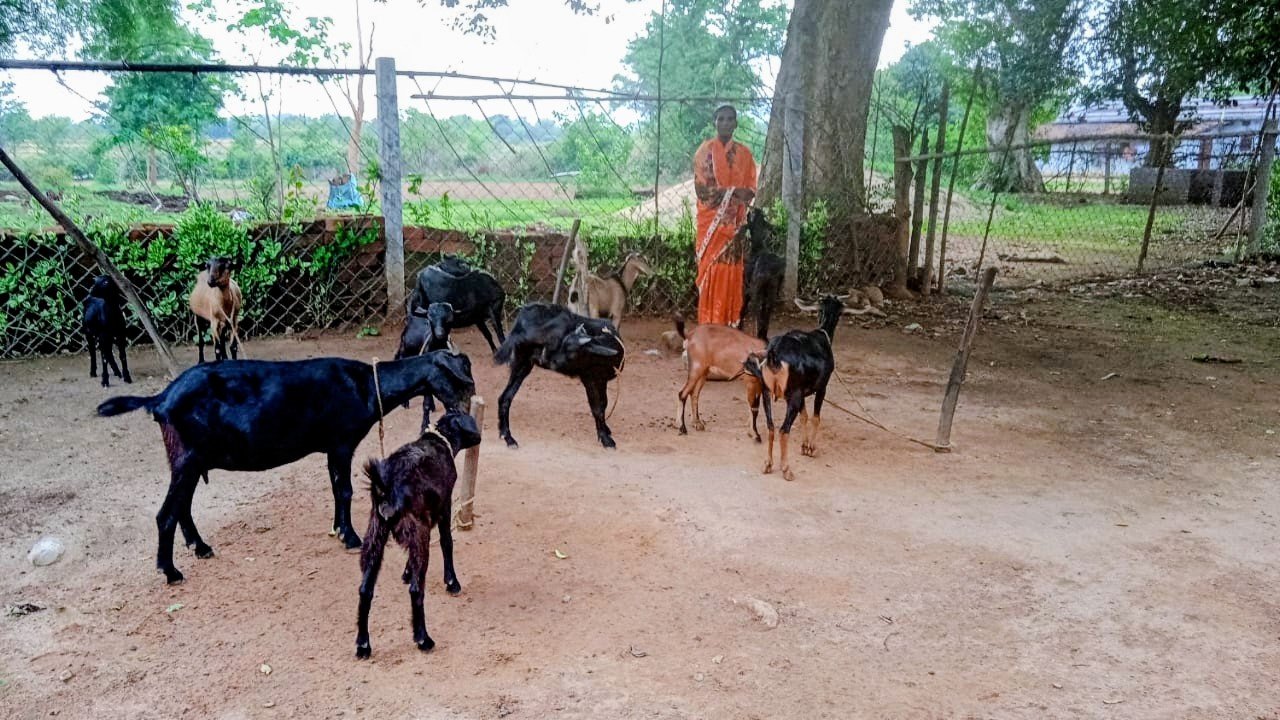
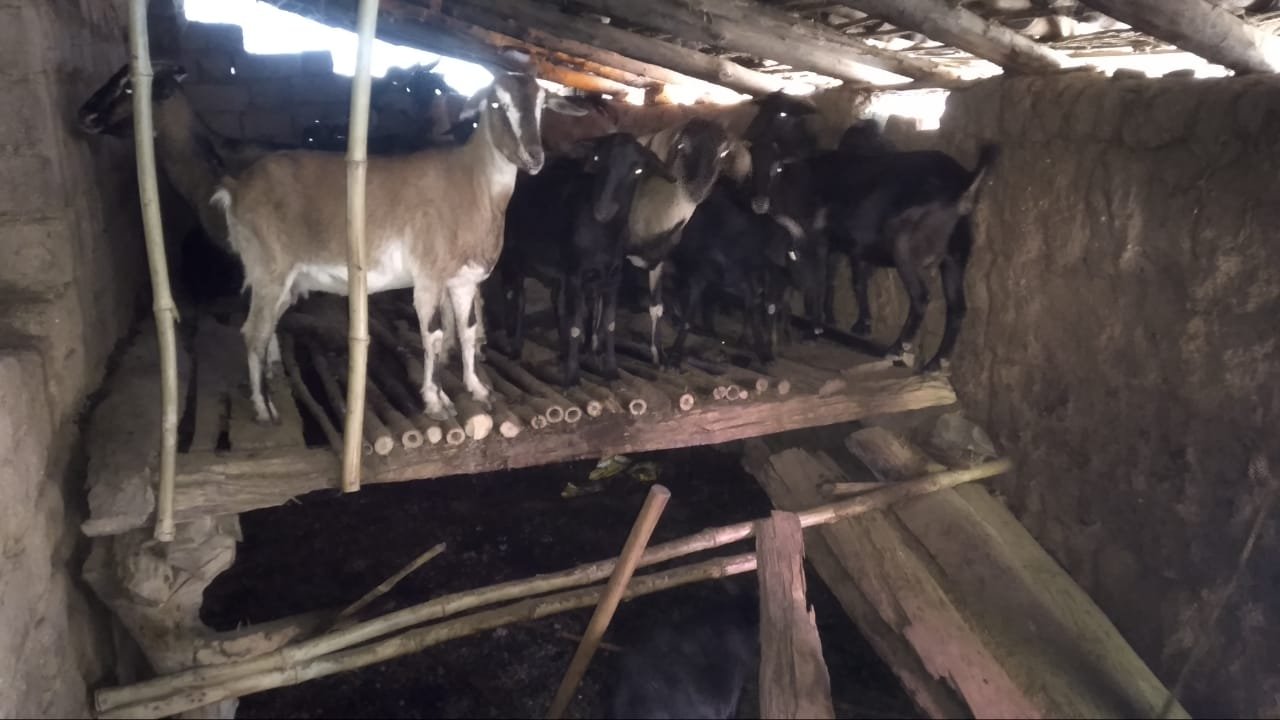
Chhatni Devi from Kasdega village in Simdega district is now an inspiration for many rural women. She attended a training program where she learned practical skills in goat rearing and poultry farming.
Using this knowledge, she took a loan of ₹18,000 through the Kisan Credit Card (KCC) from the Bank of India, Simdega branch, and invested it in goat rearing.
Today, she owns 17 goats:
- 5 goats weigh more than 12 kg each and are ready for sale, valued at around ₹50,000.
- 3 goats have given birth to 7 healthy kids.
- 2 other goats are also part of her herd.
Her total livestock is now worth over ₹1,00,000.
After the training, Chhatni Devi focused on proper vaccination, nutrition, and regular care of her goats. Because of her dedication and smart approach, she has become a successful and respected goat farmer in her village.
Sumati Devi a progressive women Farmer
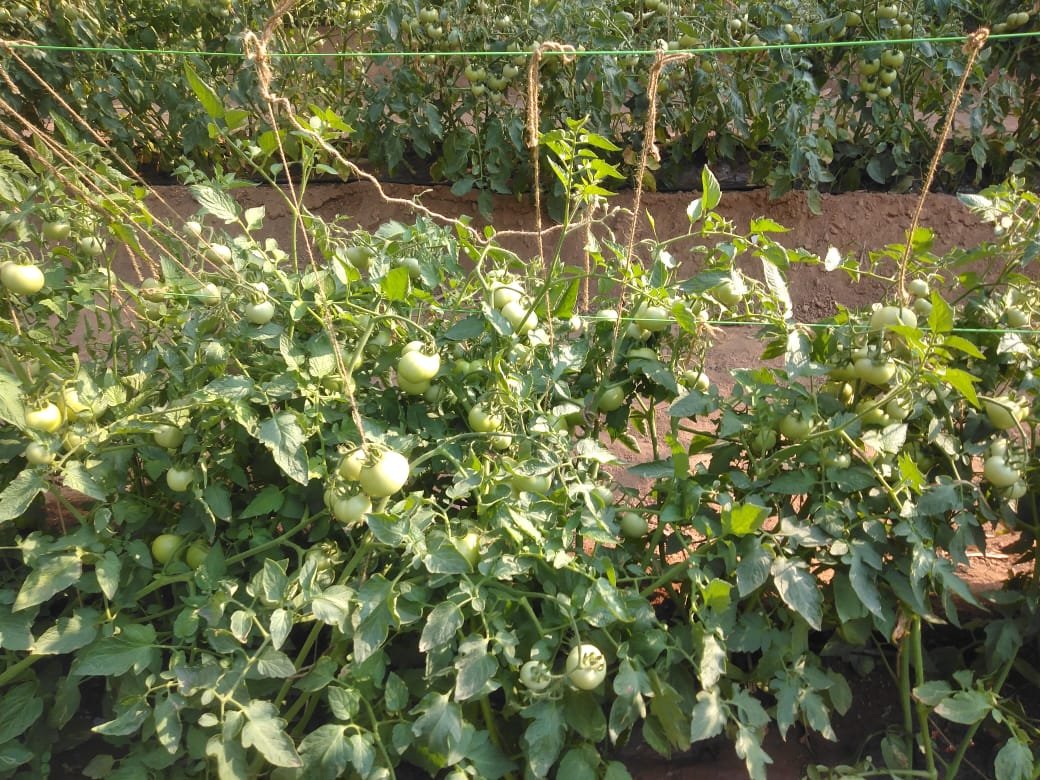
Sumati Devi, a resident of GamharJharia village in Simdega district, has shown how determination and a little support can change lives. With the help of a KCC loan of ₹20,000 from Jharkhand State Cooperative Bank, Simdega, she took a step forward in improving her vegetable and Groundnut farming.
Sumati used the loan to grow a variety of vegetables like potato, tomato, brinjal, cabbage, long bean, ladyfinger, cucumber, spinach, beans, coriander, radish, pumpkin, gourd etc. choosing crops as per the season. She also grew groundnuts on her land.
Her efforts started bearing fruit. After consuming some of the vegetables at home, she sold the rest in the local market and earned around ₹50,000 in a year. On top of that, she earned about ₹15,000 from selling groundnuts. This income has brought great relief and happiness to her family.
Seeing the benefits, Sumati now plans to expand her vegetable farming even more. Her success has not only improved her family’s financial condition but has also inspired other farmers like Gunmait Devi, Rekha Devi, Malawati Devi, Geeta Devi etc. in her village. They are now encouraged by her dedication and thinking about taking up similar farming activities.
In view of the hard work and interest of Sumati, a Mango Plantation scheme under Birsa Harit Gram Yojna, MGNREGA has been supported from the Panchayat/Block.
Sumati Devi’s story is a beautiful example of how farming, when done with planning and hard work, can become a strong source of income and self-reliance.
Laxmi's Journey Towards Self-Reliance Through Goat Rearing
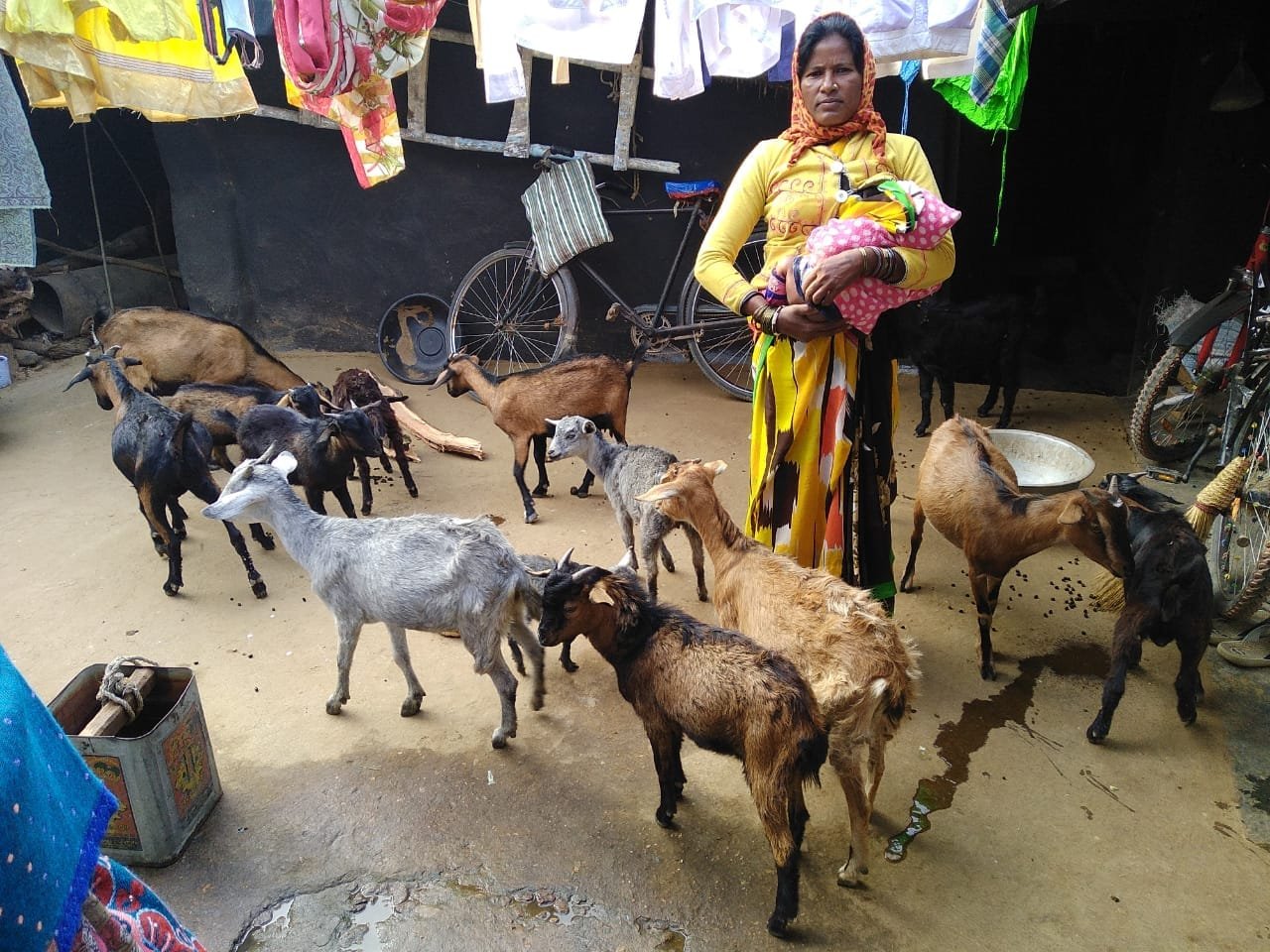
Laxmi Devi, a resident of Kadopani village of Kerbeda Panchayat, Pakartand block, has taken an inspiring step towards self-reliance. She participated in a 10-day training program conducted under the LEDP (Livelihood and Enterprise Development Programme), which focused on poultry farming, goat rearing, and vegetable cultivation.
After completing the training, Lakshmi Devi decided to focus on strengthening her goat rearing enterprise. To house the goats, she cleverly used bamboo from her own garden to build clean and organized shelters, significantly reducing costs and promoting the sustainable use of local resources.
With a vision for community progress, Lakshmi Devi also joined hands with other women in the village to ensure regular vaccination of goats. This collective initiative led to a substantial decline in goat-related diseases, making goat rearing safer and more profitable for everyone involved.
Today, Laxmi Devi owns around 30 to 35 goats of various ages, with an estimated total value of nearly ₹3 lakh. Goat rearing has become a stable source of income for her family, enabling them to meet household needs, support their children’s education, and manage other expenses with dignity.
LaxmiDevi’s success story is not just a testament to her determination and hard work but also a powerful example of how rural women, when equipped with the right training and guidance, can become economically empowered and self-reliant.
Urmila Devi – Lighting the Way to Self-Reliance through Poultry Farming
In the quiet tribal village of Jambahar, nestled within the green hills of Jharkhand, lives Urmila Devi—a woman whose story reflects determination, learning, and the transformative power of opportunity.
Urmila, a dedicated member of the Tara Mahila Self Help Group, had always dreamed of doing something meaningful to support her family. Life wasn't easy—household expenses were a constant struggle, and ensuring a good future for her children seemed like a distant dream. But Urmila's spirit was unshaken.
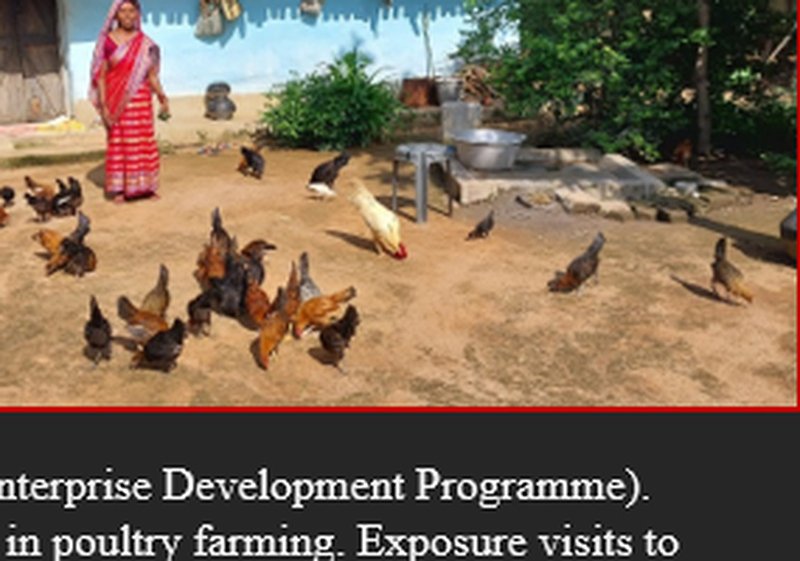
Her journey took a promising turn when she became part of the LEDP (Livelihood and Enterprise Development Programme). Through this initiative, she received hands-on training in poultry farming. Exposure visits to Birsa Agricultural University and Ramakrishna Mission, Ranchi opened her eyes to new techniques and practices in local poultry rearing. The trips didn't just teach her farming—they inspired her with the belief that she, too, could grow.
Armed with knowledge, courage, and the support of her SHG, Urmila started small. But today, she proudly sells chickens worth around ₹30,000 – ₹45,000 yearly in the local market. Her steady income has helped her run her household more comfortably and invest in her children's education—a dream she once held close to her heart.
But Urmila didn't stop at poultry farming. With her growing confidence, she diversified her efforts into vegetable cultivation and forest produce collection. Her total annual income now touches ₹1,00,000—a remarkable feat in her community.
What makes Urmila's story even more heartening is the unwavering support of her family. Together, they are now looking to expand their poultry farm and explore goat rearing as another promising livelihood option.
Today, Urmila Devi is not just a poultry farmer—she is a role model for many women in her village. Her success is a testament to what training, opportunity, and a strong will can achieve. Her story is not just about earning money—it's about finding dignity, confidence, and a sense of purpose. And in doing so, she has truly become a beacon of hope in her community.
From 15 Hens to 50
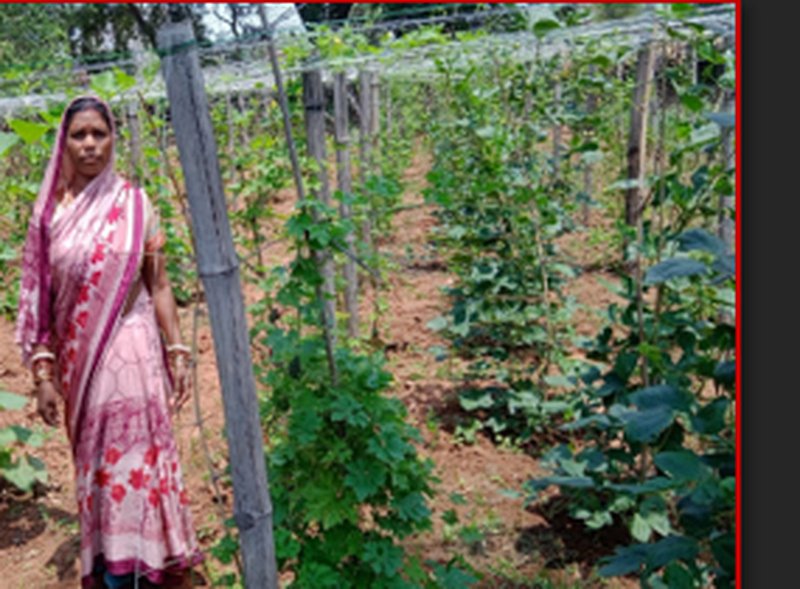
Himmi Kullu, a hardworking woman from Meromdega village, has become a source of inspiration for many in her community. She took part in a 10-day training programme under the Livelihood and Enterprise Development Programme (LEDP). After the training, she received a loan of ₹10,000 through the KCC from the Bank of India, Simdega.
With this small amount, Himmi began her journey. She bought 15 hens from the market. Slowly, with care and effort, the number grew. Today, she owns around 50 hens and 8 goats, and 2 of her goats are pregnant!
Over the past year, Himmi has earned about ₹25,000 to ₹40,000 from selling hens. She didn't stop there. Using her small backyard (bari), she also started growing vegetables like chili, tomato, bitter gourd, and pumpkin. From these vegetables alone, she earned around ₹45,000.
In a short time, Himmi has not only improved her income but also built a strong foundation for her future. Her dedication and smart work have made her a shining example for others in the village.
The community now sees her as a role model — a woman who turned a small opportunity into a successful livelihood with her own hands.
Grafting Success
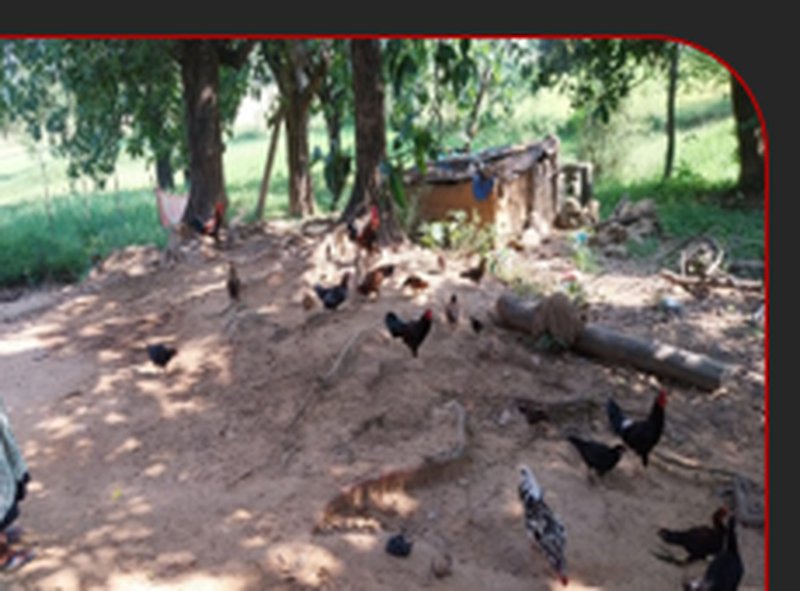
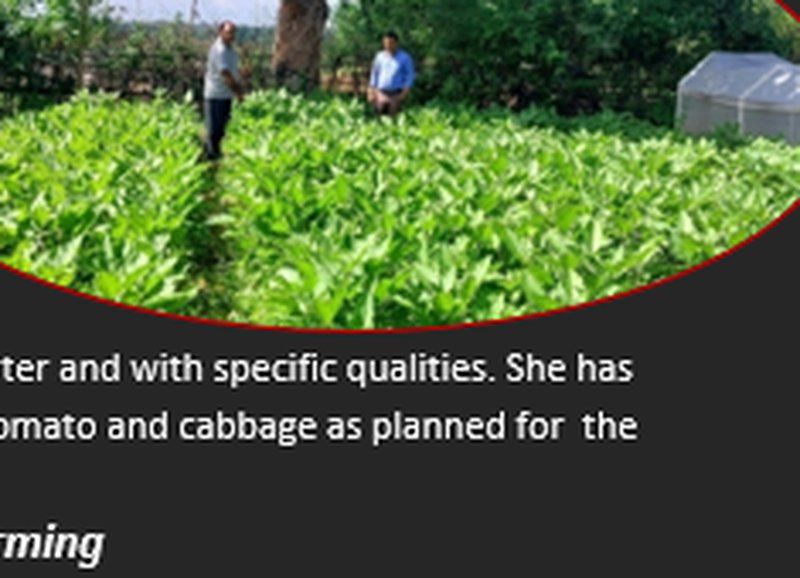
Lalita Devi, a progressive woman farmer from village Jambahar, has prepared about 200 new plants by grafting of old brinjal plants, which have started bearing fruits now. It is an example for others.
Lalita's success in preparing around 200 new plants through grafting is truly commendable. It's a skillful and effective way to propagate plants and ensure that they bear fruits faster and with specific qualities.
She has also prepared her own nursery raising unit of chili, tomato and cabbage as planned for the next crop.
Sunita Devi’s Success through Integrated Farming
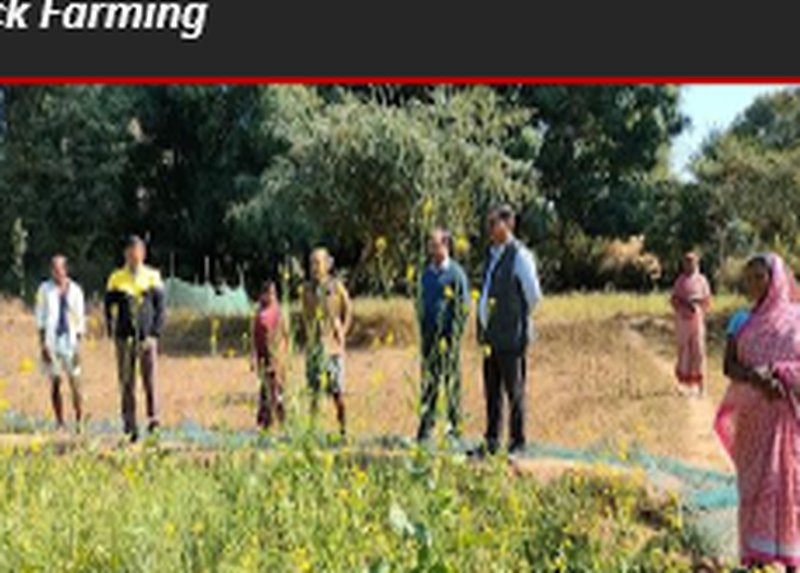
Sunita Devi is an example of a successful woman farmer. One son is a student of Navodaya School, while her two other children are enrolled in a local school.
Farming has played a crucial role in supporting her children's education. Currently, Sunita is dedicated to providing quality education for her children using the income generated from her vegetable farming, poultry, and goat rearing activities.
Through vegetable cultivating crops like ladyfinger, cabbage, potato, onion, chili, tomato etc. as well as rearing of poultry and goats, Sunita manages to support her family and remains committed to her children's education. She received valuable support in the form of a KCC loan of Rs. 50,000/- from the Bank of India Jaldega after completing the LEDP training program.
DDM NABARD, LDM Bank of India, and PIA Sahbhagi Vikas have played instrumental roles through continuous field visits and guidance in the realm of integrated farming. Today, this initiative has brought about not only economic prosperity but also social transformation in families like Sunita's.
Fulmati Devi’s Success through Vegetable and Livestock Farming
Fulmati Devi from village Jambahar of Thethaitangar block is known as a hardworking farmer. From her garden, she has earned more than one lakh in 1 year from the cultivation of parwal, chilli, bitter gourd, pumpkin, tomato, beans, etc. The income earned by selling vegetables in this plateau area of Chhotanagpur seems surprising but it is the reality.
This result has been achieved due to continuous supervision and guidance by the workers of the organization, LDM Bank of India and DDM NABARD after LEDP training and association with other government schemes.
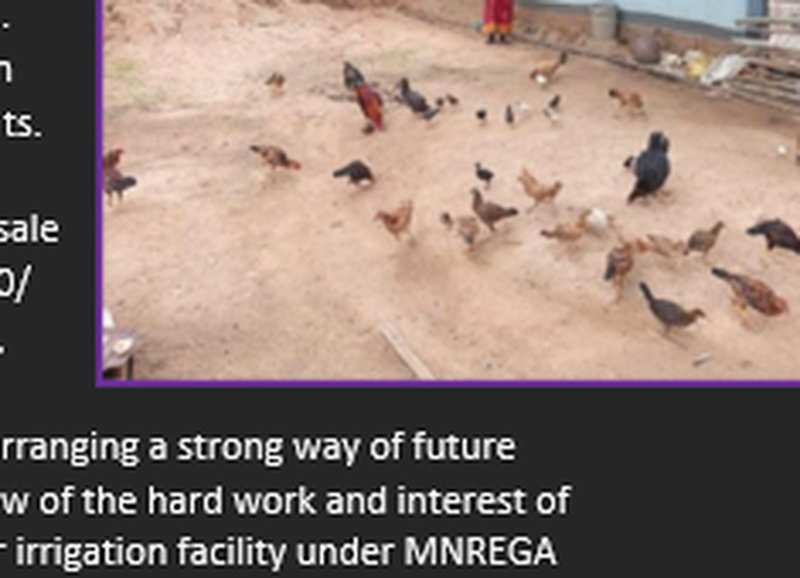
Fulmati Devi's husband Mr. Lahru Majhi also extends his hand in her work and the result is that Fulmati is not far behind in rearing poultry and goats. Today the number of chickens in her courtyard is increasing continuously. Poultry and goat have proved to be a good source of their livelihood.
Six Women Farmers Lead an Organic Farming Initiative
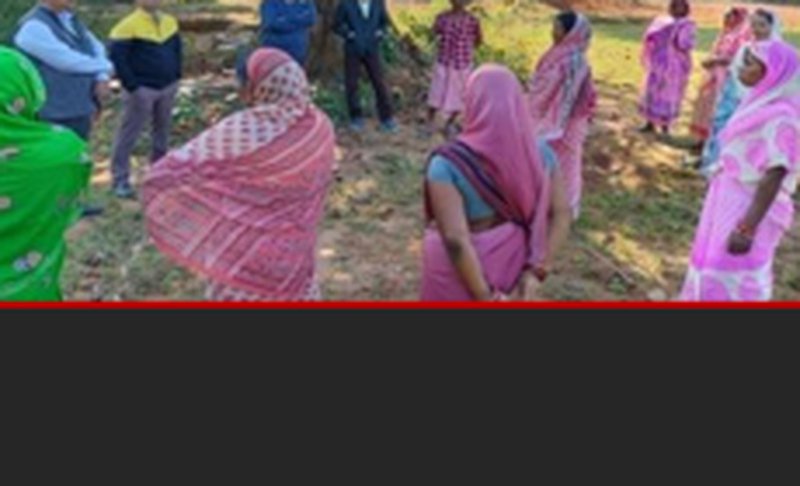
Six Women farmers Bhajanti Devi, Usha Pradhan, Fulo Devi, Fulmati Devi, Savita Devi, Aghni Devi from Gulab & Chandni Village – Jambahar have planned to set up a nursery unit in their village during the MEDP training session.
With the onset of rain they have started preparing the nursery field and started planting chilies, brinjal, tomato etc. in their fields, while others are following suit.
Impressively, the women have taken the initiative to produce their organic fertilizers, such as Bijamrit, Jeevamrit, Ghan Jeevamrit, and Neemasatra, which they are using in their farming practices. This dedication to eco-friendly methods highlights their commitment to sustainable agriculture.
Five Women, Five Acres, One Vision
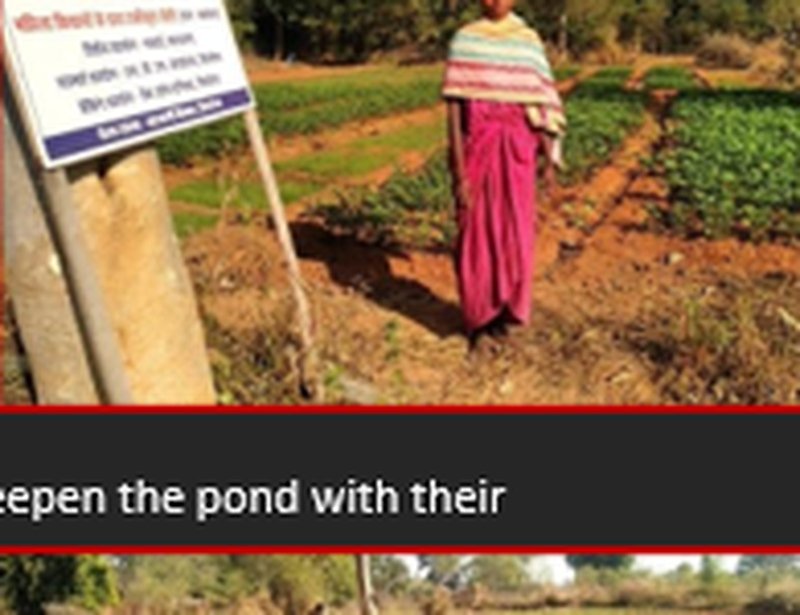
Kamla Kullu, Divya Kerketta, Anita Kerketta, Roshani Kerketta and Nirmala Kerketta — five women farmers from village Kasdega of block Thetaitangar, together planned to do farming management. The land of these five women was at the same place which became a facility for them.
After the LEDP training, they decided to collectively fence their land and after obtaining a KCC loan, fenced their 5 acres of land with wire mesh. After this, they coordinated with that person to take water from another person's pond near their land in a planned manner.
They started vegetable cultivation. But as the temperature increased, there was a shortage of irrigation water. In such a situation, a plan was made to deepen the pond with their collective expenditure and the pond was deepened through a JCB machine.
With the increase in the depth of the pond, the amount of water stored increased. But it was not enough for irrigation. Nevertheless, the women continued to cultivate vegetables. Women do some farming on their individual land throughout the year and sell it in the local market.
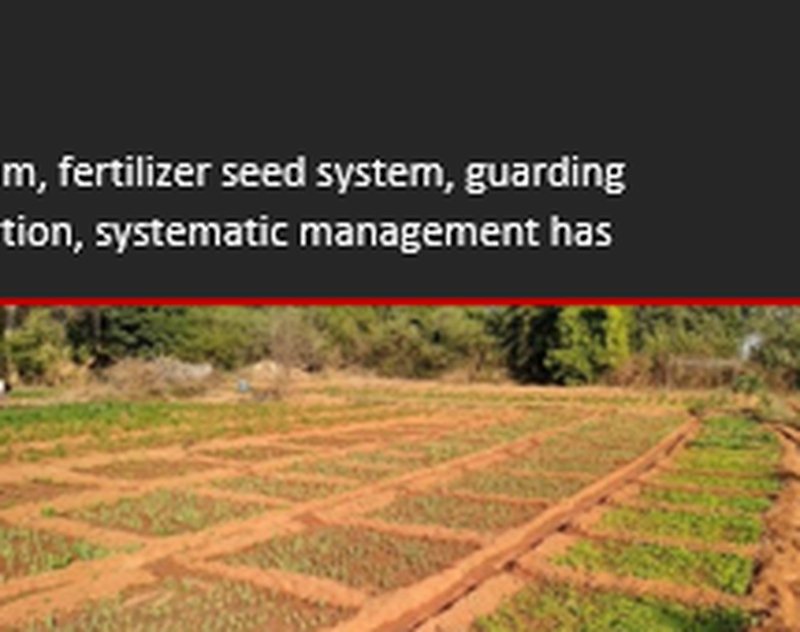
The special thing is that along with siege, irrigation system, fertilizer seed system, guarding system, farming, sales system with each other's cooperation, systematic management has been quoted further.
The greenery of the cultivation of vegetables like potato, cabbage, spinach, tomato, fenugreek, radish, chili is prevalent in this collective management garden.
All farmers have poultry and goat rearing also. In such a short time, not only earning but also arranging a strong way of future livelihood, which is an example for the society.